Independent living
Residential wing- Who it suits
- People who manage day to day and want a safe, unhurried home with company.
- During the day
- Meals, housekeeping, activities and a nurse when needed.
Bath, England · Residential, nursing and dementia care
Before you decide, you will want to know how your mother or father would spend the day here, who would be beside them and who is on duty at night. We have written all of it down on this page.

Care Quality CommissionLatest overall rating[Overall rating]Inspected [date]Full report at www.cqc.org.uk
Drag the time or tap a moment. The day bends to each resident's pace; what you see here is the general rhythm of the home.
Everyone wakes in their own time. A carer helps anyone who would like support with washing and dressing; nobody is rushed.
Night staff hand over to the morning team
Breakfast in the dining room, or in their room if they prefer. Morning medicines are given by a nurse and recorded.
Nurse, cook and carers
A walk in the garden when the weather allows, light exercise in the lounge when it does not. Joining in is always optional.
Carers and the activities lead
Diet and swallowing notes stay in the kitchen. Anyone who needs help to eat has a carer sitting beside them.
Cook and carers
The favourite hour of the house: tea, crafts, old songs or simply conversation. The weekly activity plan is pinned in the hall.
Activities lead and carers
The busiest time for families. The garden room is set aside for visits, and visiting in their own room is fine too.
The team on shift and your named contact
A light supper and evening medicines with the nurse. Then the radio, a favourite programme or a quiet corner.
Nurse and the evening team
Lights dim and the corridor night lights come on. The nurse on duty makes regular rounds, and every room has a call bell.
Night nurse and night carer
Residential care is for people who manage much of the day with some help. Nursing and dementia care add registered nurses around the clock. At Sardunya House they sit in separate wings.
This guide is a starting point. Suitability is confirmed at a first visit and an assessment, together with the relevant health information.
Regulation 20A asks every care provider in England to show its latest CQC rating on its website. Here it is, together with the details families ask about.
Items in square brackets are demo placeholders; the real site shows the home's own details and keeps them current.
Care Quality Commission
Latest overall rating
[Overall rating]
Inspected [date]. Read the full report at www.cqc.org.uk
Fill in the short form or give us a call. Our family liaison gets back to you and answers your first questions.
On a first visit you see the shared spaces, the garden and an empty room. Bring your relative if you like.
A nurse and our family liaison listen to their needs and go through the health information with you. The level of care is agreed here.
We plan the moving day together. In the first weeks your named contact calls more often, and familiar things can come too.
The hardest part for families is not hearing how things are. We put that on a steady footing from day one.
Every day from 10:00 to 19:30. At mealtimes the garden room and conservatory are open for visits.
Every resident has a named contact for the family. Siblings do not each have to call; news comes from one place.
Your named contact calls once a week, on a day and time you choose, and tells you how the week went.
If something changes, a nurse calls you the same day. Health details are shared by phone or in person, not by message.
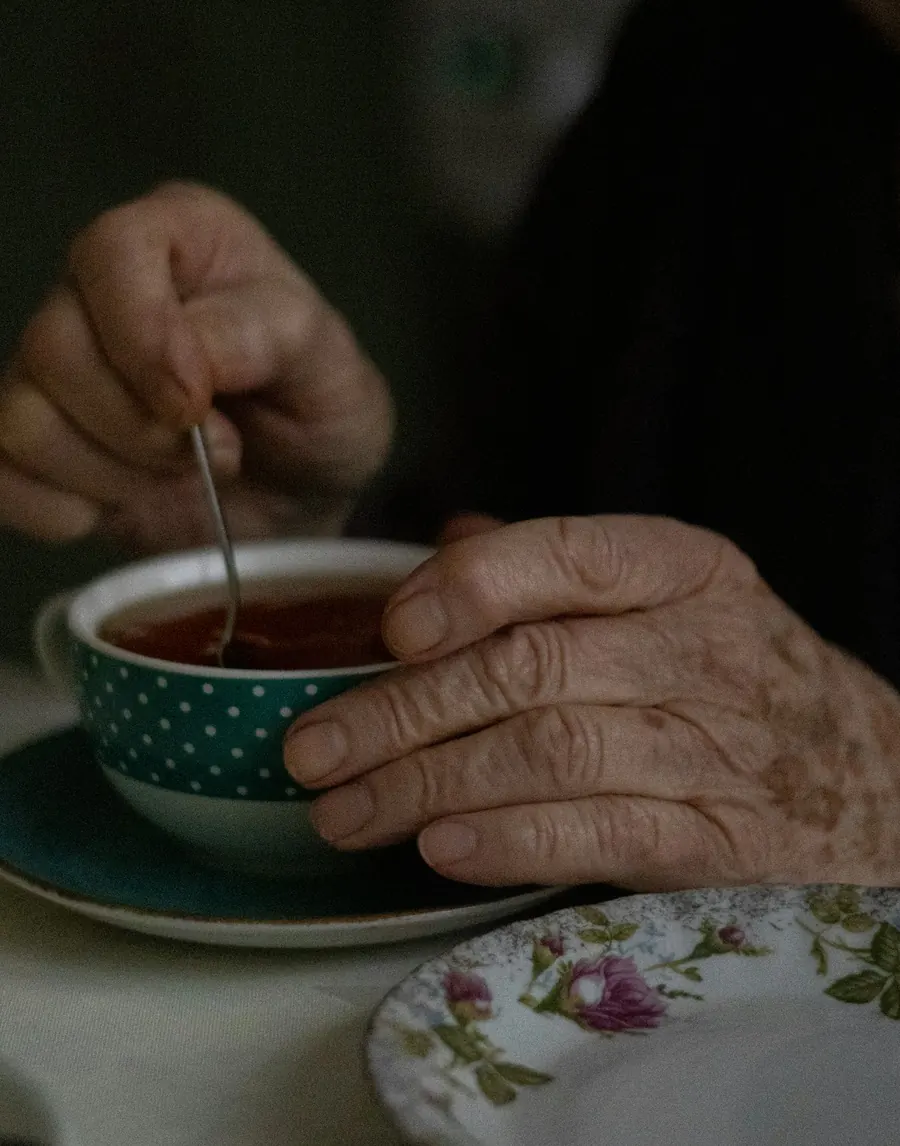
Our photos show the house, the garden, hands and flowers; not residents' faces, names or rooms. A resident's photo is only ever used with clear, recorded consent, or the agreement of someone legally able to decide for them. You would want the same for your own family.

It is the question families ask most. From 18:00 to 08:00, and all day at weekends and on bank holidays, a registered nurse leads the shift in the building.
Responsible for the home and reachable directly by families.
Leads the first assessment and keeps families informed as their named contact.
The local GP practice looks after residents' health and links with hospital when needed.
Prepare and record medicines and watch for changes in health.
Beside residents for personal care, at meals and on walks.
Plans the menu around diet notes; it is pinned up every week.
Not to visit your relative; come any time within visiting hours. A first visit to see the home is by appointment, so our family liaison can give you their full attention.
Residential care is for people who manage much of the day with some help. Nursing care adds registered nurses around the clock for people with continuous health needs. Which one fits is agreed at the assessment.
A nurse and our family liaison review the care plan with you. Where it suits, your relative moves to the other wing in the same house, keeping familiar faces and routines.
Health information is special category data. The form only asks for contact details and a good time to visit; we talk about health in person at the assessment.
Fees depend on the level of care and the room. We set them out in writing after the assessment.
Fill in the form and our family liaison will call to find a time that suits you. We do not ask for health information here.