KavisPhysiotherapy

London · In clinic and at home

Movement needs a clear plan.

From back pain to rehabilitation after surgery, we plan your course of treatment around a proper first assessment, then you continue with the same physiotherapist in clinic or at home.

A physiotherapist assessing a patient’s shoulder with both hands
Please bring along

Any referral letter, insurer authorisation and recent scan reports.

  • 01Self referral welcomeOr via GP, consultant, insurer
  • 02A plan made for youReviewed, never promised
  • 03In clinic or at homeArea by area visit map
  • 04Exercises on your phoneQR linked home programme
01

Treatment programmes

Every programme starts with its own question.

How many sessions you need varies from person to person. These outlines are not promises; they show what we discuss at your first assessment.

A physiotherapist guiding a patient through a light dumbbell shoulder exercise
Exercises stay within the limits measured at your first assessment.
  1. 01

    Back and neck pain

    Who it is for
    Persistent back or neck pain, disc symptoms or pain linked to desk work.
    At the first assessment
    Which movements make it worse, how you sit and stand, what your days involve.
  2. 02

    Post surgery rehabilitation

    Who it is for
    After knee or hip replacement, meniscus repair or shoulder surgery.
    At the first assessment
    Your surgeon’s notes, the movement limits you were given and how you walk.
  3. 03

    Sports injuries

    Who it is for
    Sprains, tendon problems or injuries that keep coming back.
    At the first assessment
    What your sport demands, your training load and when you hope to return.
  4. 04

    Neurological rehabilitation

    Who it is for
    People living with stroke, Parkinson’s or MS, and their families.
    At the first assessment
    Balance, getting up and around, and obstacles at home; we can start with a home visit.
  5. 05

    Clinical Pilates

    Who it is for
    Patients continuing after rehabilitation with physio led exercise.
    At the first assessment
    An assessment first, then a one to one or small group plan.
  6. 06

    Scoliosis and posture

    Who it is for
    Children and adults with diagnosed scoliosis or postural problems.
    At the first assessment
    Your medical reports and how you sit, carry and move during the day.
02

Our approach

We explain the process instead of making promises.

i

Registered, and named correctly

Physiotherapist is a protected title in the UK. Everyone we call a physiotherapist is on the HCPC Register, with the number on their profile.

A patient practising grip strength with a red exercise bar, guided by a physiotherapist
ii

Sessions planned for you

No fixed number of sessions on the phone. The first assessment sets a starting plan; we update it together at each review.

iii

One physio, two settings

If treatment moves from clinic to home, the physiotherapist who knows you makes the visit.

iv

Your programme in your pocket

A QR code on your printed programme opens short exercise pages on your phone. No patient faces appear in our videos.

QR code on your printed sheet
03

Your course of treatment

From first call to final review, know what comes next.

Tap or hover over a step to follow the line.

  1. Refer yourself, or come via your GP, consultant or insurer. If you need a medical opinion first, we say so.

  2. By form, phone or WhatsApp. We ask for your area up front and offer visit days if a home visit is possible.

  3. We record range of movement, strength and balance, then agree a starting plan together.

  4. In clinic or at home, with a QR linked home programme for the days in between.

  5. At set points we review the plan together, liaise with your GP where needed and agree whether to continue or finish.

Bring to your first visit

  • Any referral letter
  • Insurer authorisation, if you have one
  • Recent scan reports
  • Comfortable clothes

Physiotherapist is a protected title regulated by the HCPC. Our claims follow CAP Code rule 12.1.

04

Home visits

The areas we visit, clearly on the map.

Choose your area or tap it on the map to see visit days. Outside our area, we suggest seeing us in clinic.

No area selected yet. The clinic is the marked point.

  • Regular home visits
  • By appointment
  • Outside our area

What we ask before a home visit

  • Full address, floor and lift access
  • Any referral letter or medical reports
  • A little space to move around

Not to scale; area boundaries are simplified.

05

Questions

What people usually ask

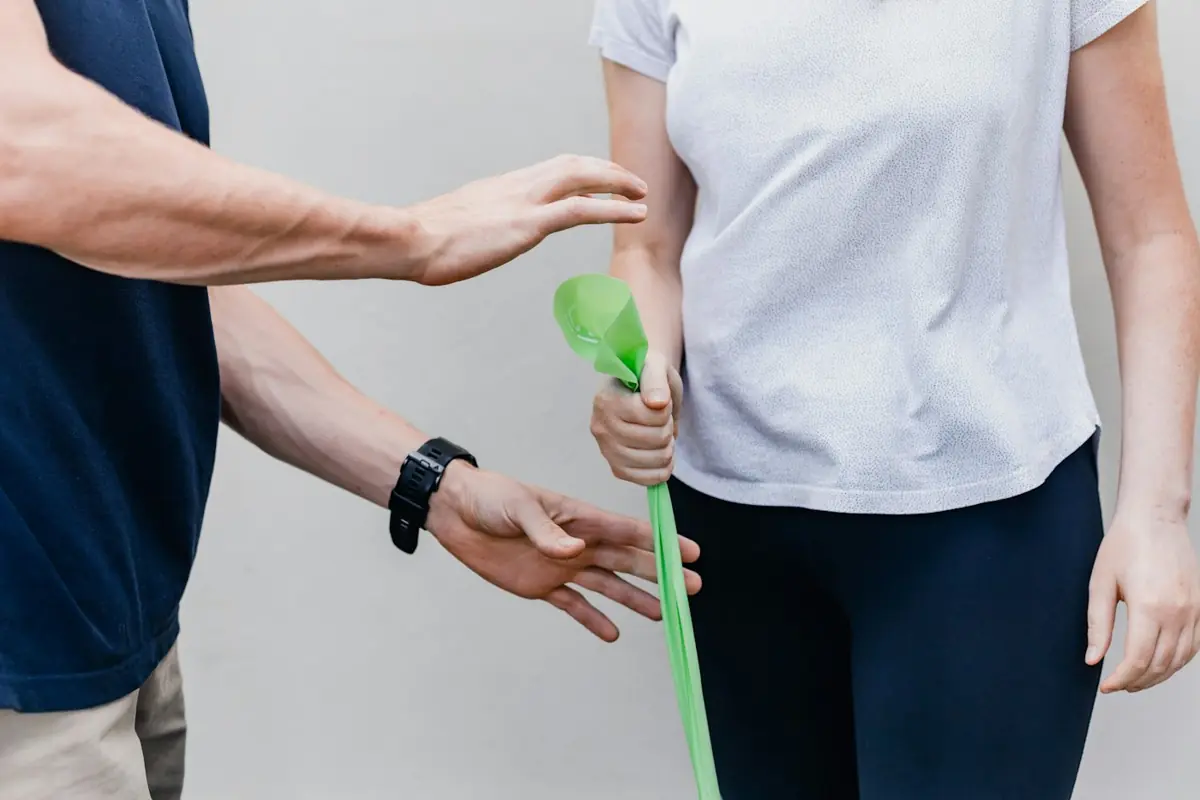
A patient pulling a green resistance band with a physiotherapist beside her
  • Last updated2 October 2026
  • EditorKavis Physio lead physiotherapist, HCPC registered
  • Based onHCPC protected titles, CAP Code rule 12.1
Do I need a referral from my doctor?

No. In the UK you can refer yourself for private physiotherapy, although some insurers ask for a GP referral first. If your symptoms need a medical opinion, we will tell you.

How many sessions will I need?

It depends on you and your condition, so we give no fixed number on the phone. The first assessment sets a starting plan that we review together.

What do I need for a home visit?

A little space, comfortable clothes and any reports you have. We bring the equipment.

Why are there no recovery stories on this site?

Under the CAP Code, treatment claims must be backed by evidence, and one story can suggest an outcome nobody can promise. We explain the process instead.

How is Clinical Pilates different from a studio class?

Here it is part of rehabilitation: you are assessed first, and a physiotherapist chooses and supervises exercises to match your plan. No class passes.

06

Contact

Tell us what you need and we will call you back.

This is an initial enquiry; we confirm a time once we know your area.

  • Phone+44 000 0000 0000
  • WhatsApp+44 000 0000 0000
  • Emailhello@kavis.example
  • ClinicLondon
  • Opening hoursWeekdays 8.30am to 7.30pm, Saturday mornings
Do you have a referral letter?
No need to share health details here; we will talk them through with you.