Maintenance and production
Which method, which equipment, and how close the crew gets to machines and the line.
Site selector
We clean tanks, production areas, facades and ductwork with a written method, a crew whose paperwork is ready, and inside your plant's idle window: the night shift, the weekend or a planned shutdown.
Which method, which equipment, and how close the crew gets to machines and the line.
Site selectorRisk assessment, method statement, training records and the person in charge on site.
Documents vaultScope, working window and the details needed for a written quote.
Shift plannerAfter the survey, the method is written down to fit your plant's own rules.
Line and equipment surfaces are cleaned with dry ice or foam; zones are worked from clean to dirty, and chemicals come from the plant's approved list.
Machines and presses are degreased after lockout and tagout; swarf pits and coolant sumps are emptied by vacuum recovery.
Floors are machine scrubbed; rack tops and roof trusses are dusted under a work at height plan, and forklift traffic is closed zone by zone.
Entry only when the job cannot be done from outside, and only under permit: gas testing, ventilation and a rescue plan in place; residue is removed by vacuum and surfaces are jetted.
Facades are cleaned by rope access or boom lift with low pressure and purified water; gutters and rooflights are covered in the same plan.
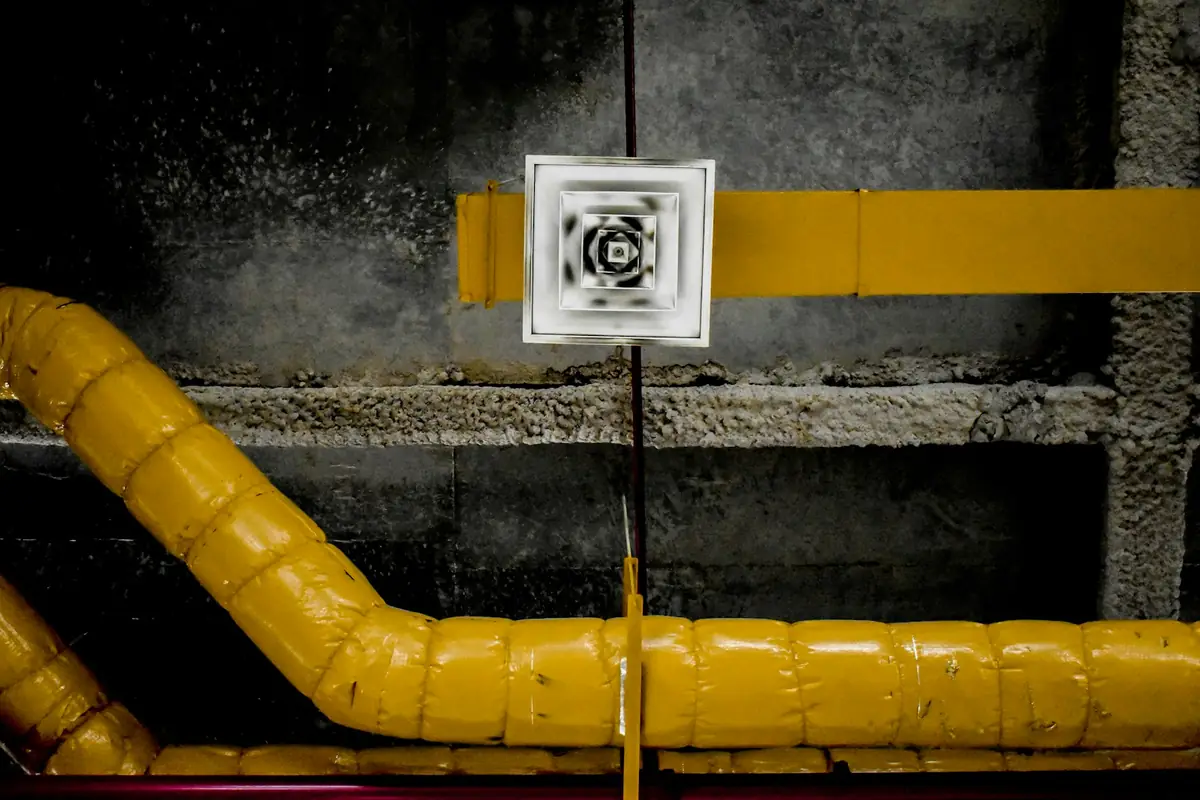
Ducts are inspected by camera through access panels, then cleaned with robotic brushes under negative pressure; the work is recorded on camera.
Tap the shifts that run production; the remaining cells are your cleaning window. Add the plan to your survey request in one click.
We do not publish the documents on an open page. The list is here; the supplier pack is shared on request and only with an authorised contact.
Hazards, controls and responsibilities specific to the site and the job.
Source: COSHH Regulations 2002, regulation 6; no work with hazardous substances without a suitable and sufficient risk assessment.
How the job is done step by step, with equipment, permits and hold points.
A recorded transfer of the sludge, oil and chemical residue the work produces.
A summary of the public liability policy.
Crew training and health certificates; shared on request only, as they contain personal data.
Permit, gas test and rescue plan for tank and silo entry.
Source: Confined Spaces Regulations 1997, regulation 4; entry only where unavoidable and under a safe system of work.
Site, size, residue, access and window in one form.
The crew arrives with its questions ready, measures and sees access and risks in person.
Method statement, risk assessment and permits agreed with your safety team.
In the chosen shift or shutdown, led by our site supervisor.
Waste leaves with a record; the area is handed over with a report and photos.
The quote states in writing which steps we take and which stay with your plant as the waste producer.
Three short steps. The crew arrives prepared and you never give the same answer twice.
For most jobs, yes: we separate the work zone and work night shifts or weekends. Jobs such as tank entry happen only once the equipment is stopped and a permit is issued; we plan that together at the survey.
Risk assessment, method statement, insurance certificate, training and health records and, where needed, a confined space entry permit. Anything with personal data goes only to your safety team, on request.
It is collected by type, labelled and sent with a record to a permitted site. The quote states which steps we take and which stay with your plant.
Photos and dimensions let us outline the scope. A written quote usually follows the survey, because access, residue and permits change the job.
Yes. For plants that need regular cleaning we prepare an annual plan covering scope, shift pattern and reporting.